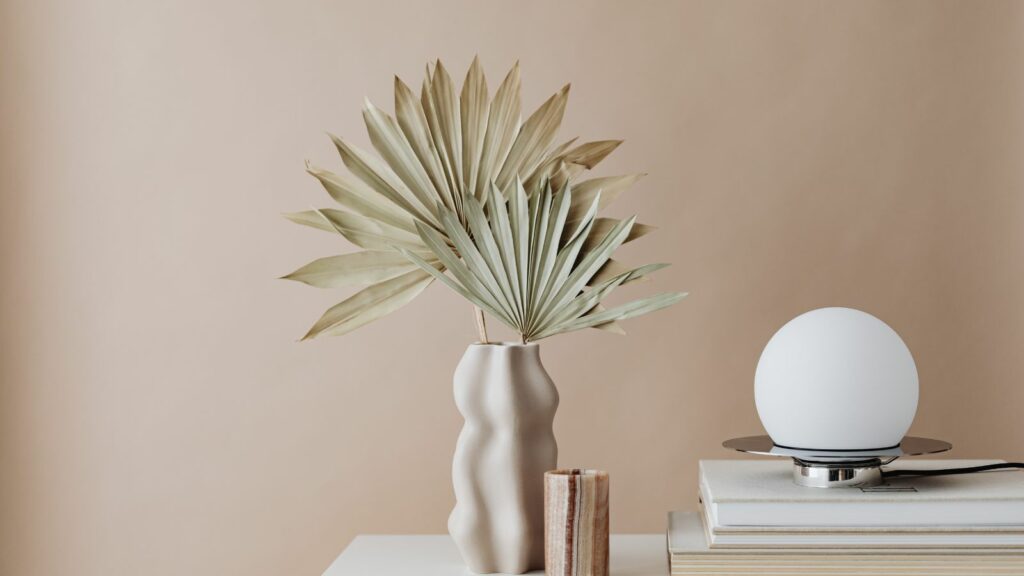

Picture this: You walk into your living room after a long day. The space feels calm, open, and inviting. There’s no clutter, no visual noise—just a few well-chosen pieces, soft light, and room to breathe. That’s the magic of a minimalist interior design living room. If you’ve ever felt overwhelmed by stuff or wished your home felt more like a retreat, you’re in the right place.
Why Minimalist Interior Design Living Rooms Feel So Good
Let’s be honest—most of us have too much. Too many throw pillows, too many knickknacks, too many distractions. A minimalist interior design living room isn’t about living with nothing. It’s about living with what matters. When you strip away the excess, you create space for what you love. You also make cleaning a breeze. Here’s why this approach works:
- Less clutter, less stress: Studies show clutter increases anxiety. Minimalism calms your mind.
- More space, more freedom: Open floors and clear surfaces make rooms feel bigger and brighter.
- Easy to maintain: Fewer items mean less to clean and organize.
If you’ve ever spent an hour searching for the remote under a pile of magazines, you know the struggle. Minimalism solves that.
What Makes a Minimalist Interior Design Living Room?
Here’s the part nobody tells you: Minimalism isn’t about white walls and empty rooms. It’s about intention. Every piece in a minimalist interior design living room earns its place. Here’s what you’ll find in a true minimalist space:
- Neutral color palette: Think whites, grays, beiges, and soft earth tones. These colors create a sense of calm.
- Simple furniture: Clean lines, low profiles, and no ornate details. A classic sofa, a sleek coffee table, maybe a single armchair.
- Quality over quantity: One beautiful vase beats five cheap ones. Invest in pieces you love.
- Open space: Negative space is your friend. Don’t fill every corner.
- Natural light: Let the sun in. Skip heavy drapes for sheer curtains or leave windows bare.
Minimalist interior design living rooms aren’t cold or boring. They’re warm, inviting, and personal—if you do it right.
How to Create Your Own Minimalist Interior Design Living Room
Ready to try it? Here’s how to start, even if your living room looks like a storage unit right now.
Step 1: Edit Ruthlessly
Grab a box. Walk around your living room. If you don’t love it or use it every week, put it in the box. Be honest. That lamp you bought on sale but never turn on? Gone. The stack of old magazines? Recycle them. Minimalist interior design living rooms start with less.
Step 2: Choose a Simple Color Scheme
Pick two or three colors. Neutrals work best, but you can add a pop of color with a pillow or artwork. The goal: create harmony, not chaos. If you’re nervous, start with white walls and add soft gray or beige accents.
Step 3: Invest in Fewer, Better Pieces
Here’s where most people mess up. They buy a bunch of cheap furniture to fill the space. Don’t. Save up for a solid sofa or a real wood coffee table. In a minimalist interior design living room, every piece stands out. Make sure it’s worth looking at.
Step 4: Embrace Negative Space
It’s tempting to fill every wall. Resist. Leave some areas empty. Your eyes—and your mind—will thank you. If you’re worried it’ll feel bare, add a plant or a single piece of art. Less really is more.
Step 5: Let in the Light
Natural light makes everything look better. Open your curtains. If you need privacy, use sheer panels. Add a floor lamp with a soft bulb for evenings. The right lighting turns a minimalist interior design living room from stark to cozy.
Common Mistakes (And How to Avoid Them)
Everyone makes mistakes. I once bought a bright red rug for my “minimalist” living room. It looked like a fire truck crashed into my house. Here’s what to watch out for:
- Too much white: All-white can feel sterile. Mix in wood, plants, or textured fabrics.
- Ignoring comfort: Minimalist doesn’t mean uncomfortable. Choose a sofa you actually want to sit on.
- Forgetting personality: Add a photo, a favorite book, or a quirky lamp. Your living room should feel like you.
If you’ve ever walked into a room and thought, “This looks like a showroom,” you know what I mean. Minimalist interior design living rooms should feel lived-in, not staged.
Who Should Try Minimalist Interior Design Living Rooms?
This style isn’t for everyone. If you love collecting souvenirs or need lots of color, you might feel boxed in. But if you crave calm, hate clutter, or want a space that’s easy to clean, minimalist interior design living rooms are for you. They’re perfect for busy people, small spaces, or anyone who wants their home to feel like a breath of fresh air.
Tips to Keep Your Minimalist Living Room Looking Great
- Do a quick tidy every day. Five minutes is enough.
- Rotate decor seasonally. Swap out a pillow or throw for a fresh look.
- Use hidden storage—think ottomans or baskets—to keep essentials out of sight.
- Bring in nature. A single plant or vase of flowers adds life without clutter.
Here’s the secret: Minimalist interior design living rooms aren’t about perfection. They’re about feeling good in your space. If you slip up and let clutter creep in, just start again. No guilt.
Final Thoughts: The Real Payoff
Minimalist interior design living rooms aren’t just a trend. They’re a way to reclaim your space—and your peace of mind. You’ll spend less time cleaning, more time relaxing, and you might even find yourself breathing easier. If you’ve ever wanted a living room that feels like a sanctuary, this is your sign to try it. Start small, stay honest, and remember: Your home should work for you, not the other way around.