
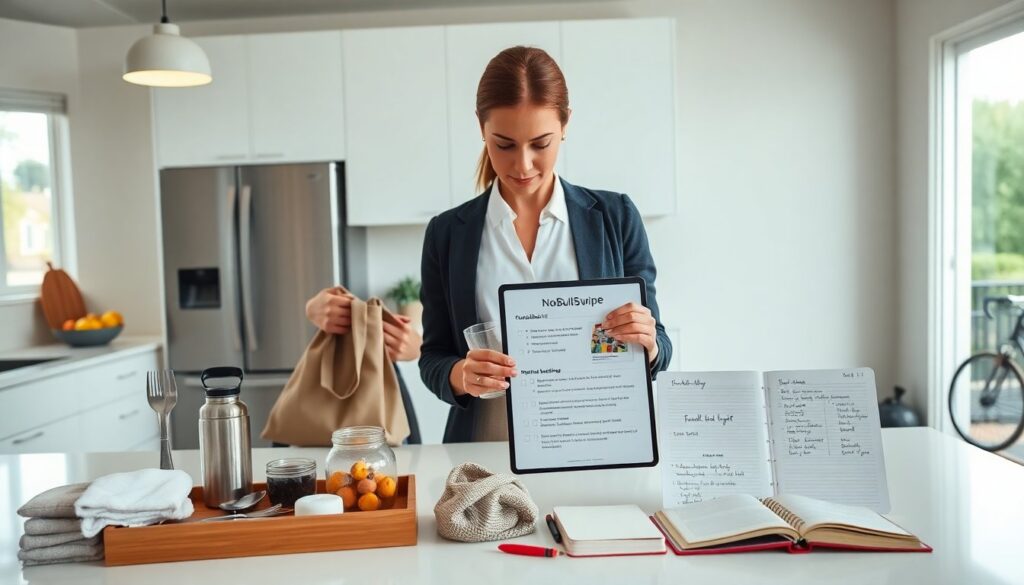
Everyday eco friendly NoBullSwipe gives clear, low-effort actions people can use now. The guide lists daily swaps, simple habits, and tracking tips. It focuses on cost, time, and real impact. Readers learn to pick a small change, repeat it, and measure results. The approach keeps stress low and makes steady progress toward less waste and lower household costs.
Key Takeaways
- Everyday eco friendly NoBullSwipe encourages simple, low-cost swaps like reusable bags and LED bulbs to reduce waste and save money immediately.
- Adopting the NoBullSwipe mindset means focusing on one small change at a time, testing it for two weeks, and tracking outcomes to build lasting green habits.
- Ten quick daily swaps cover home, bathroom, commuting, and snacks, all designed to cut single-use plastics and lower energy use with minimal effort.
- Turning swaps into everyday habits involves organizing reusable items and planning shopping and trips to minimize waste and expenses.
- Tracking progress with simple metrics of money saved, items avoided, and days practiced helps maintain motivation and steady eco-friendly improvements.
- To avoid burnout, limit new changes to one per month, celebrate small wins, share progress, and use tools like spreadsheets and local groups to support sustainable living.
Adopt The NoBullSwipe Mindset: Practical Principles For Low‑Stress Green Living
Everyday eco friendly NoBullSwipe starts with a few clear rules. People pick one change at a time. They test that change for two weeks. They keep changes cheap or free. They track time and cost so they see real gains. They avoid perfect behavior and accept imperfect progress. They focus on swaps that reduce waste, cut single-use plastic, and save money. They favor products that last longer and repair when possible. They write down small wins and repeat what works.
10 Quick, No‑Excuses Daily Swaps That Actually Add Up
Top 10 Fast Swaps For Home, Bathroom, Commute, And Snacks
Everyday eco friendly NoBullSwipe lists ten swaps that people can apply in a single day. 1. Replace paper towels with washable cloths. 2. Use a reusable water bottle and coffee cup. 3. Swap single-use plastic bags for a small foldable tote kept in a pocket. 4. Choose bar soap and shampoo bars instead of bottled products. 5. Buy loose produce and bring mesh produce bags. 6. Carry a set of reusable utensils and a straw. 7. Use LED bulbs and switch off unused lights. 8. Pack snacks in glass jars or reusable containers. 9. Set a laundry plan: lower temperature and full loads. 10. Walk or bike short trips when possible.
Each swap saves plastic or energy immediately. Each swap costs little. Each swap scales when many people apply it.
Everyday Habits For Home, Grocery Runs, And Commuting
Everyday eco friendly NoBullSwipe turns swaps into habits. In the home, people set one place for reusable bags and containers. They label containers to speed reuse. They check pantry before shopping to avoid waste. For groceries, they pick items with minimal packaging. They choose refill stations when available. They favor seasonal produce to cut transport impact. For commuting, they plan trips to combine errands. They use public transit when schedules fit. They join a local bike group or a carpool for regular routes. They keep a small kit with a bottle, cup, and cutlery in the car or bag. These habits reduce single-use waste and lower weekly costs without high effort.
How To Track Progress, Stick To A Budget, And Beat Burnout
Everyday eco friendly NoBullSwipe uses simple tracking methods. People list three metrics: money saved, items avoided, and days practiced. They record one line per day in a notebook or note app. They estimate money saved on items avoided and add weekly totals. They set a small monthly budget for sustainable buys and stick to it. They assign one repair or secondhand purchase per month.
People prevent burnout by limiting changes. They choose one new swap per month. They celebrate small wins with a low-cost reward. They share progress with a friend to stay accountable. They pause a new change if it causes stress and return when ready. They rotate focus areas: one month for bathroom swaps, one month for shopping, one month for transport.
People use free tools to help. A simple spreadsheet tracks avoided items and money saved. A calendar sets reminders for refill days and repair tasks. Local buy-nothing groups and library tool-lending reduce cost and extend product life. These steps keep momentum steady and make behavior changes sustainable over time.