Want to grow more crops while using less of everything?
Welcome to the world that every farmer is in today. Rising fuel costs. Exhausted soils. Consumers demand food produced without destroying the earth.
Here’s the good news:
Crop seeding equipment has evolved over the years. Modern machinery plants seed faster, deeper and more accurately, and with less fuel and soil compaction.
Let’s get into it…
Here’s what’s coming up:
- Why Sustainable Planting Matters Right Now
- The Big Innovations In Crop Seeding Equipment
- 5x Ways New Tech Is Helping The Planet
- What This Means For Farmers Today
Why Sustainable Planting Matters Right Now
Farming has a massive footprint.
Uses a ton of fuel, water, and land. Each pass a tractor takes burns diesel and compacts the soil. The more passes, the harder it is on the environment (and your pocket book).
That’s why there’s so much focus on crop seeding equipment these days. Precision planting technology is one of the simplest ways to reduce waste and increase yields on the same amount of land.
The facts support this statement. Precision agriculture is expected to increase world yields by 20-30% by 2025, while reducing waste and harm to the environment.
In the market for an upgrade? Browsing seed drills for sale is one of the most intelligent decisions a grower can make. The right crop seeding equipment will pay for itself in fuel savings, increased yields, and healthier soil.
And it’s not a niche thing anymore.
The market is growing. Precision planting market size was valued at USD 1.65 Billion in 2025, and is expected to reach USD 3.50 Billion by 2035.
The Big Innovations In Crop Seeding Equipment
So what’s actually new in the world of crop seeding equipment?
A lot. Makers have raced to engineer devices that can do more with less. Here are the most important ones today.
GPS-Guided Planting
This one is a total game changer.
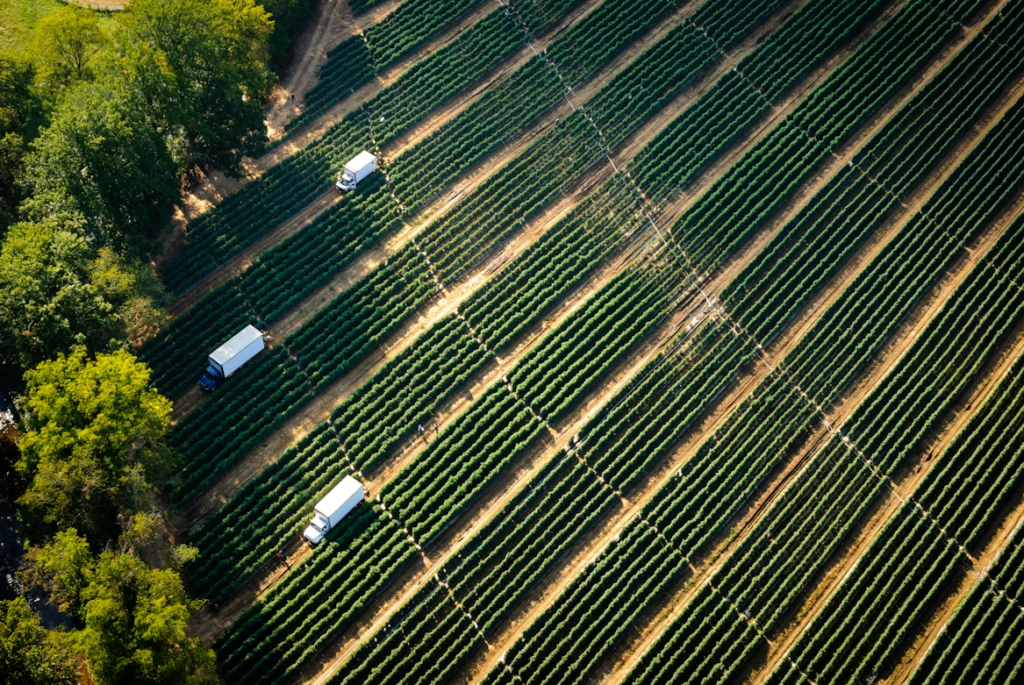
GPS guided tractors and seed drills plant rows that are perfectly straight, every time. No overlap. No gaps. No wasted seed.
The system first measures the precise position of the machine using satellites. It then automatically corrects the planting depth, spacing and seed rate.
The result?
- Less seed wasted
- More even crop growth
- Lower fuel use because of fewer passes
It’s also a lot less stressful on the operator. Anyone who has driven a tractor 12 hours a day knows how difficult it is to keep your rows straight at the end of the day.
Variable Rate Technology (VRT)
Different areas in a field have different soil. Then why farm the same way across the entire area?
Variable rate technology provides a solution. The machine uses information from sensors and soil maps and automatically adjusts the seed rate as it goes.
In sandy spots, it plants less. In rich spots, it plants more.
Seed saving is not the only benefit of this type of seeder. They also provide the ideal environment for every seed to grow.
No-Till Seed Drills
No-till is one of the biggest sustainability wins in modern farming.
No-till drills don’t plow up the whole field. They cut a small slot into the ground and drop the seed in. The rest of the field is undisturbed.
This protects soil from erosion, keeps moisture in, and saves a ton of fuel.
How much? USDA data showed 3.6 gallons saved per acre annually when compared to conventional tillage. On a large operation, that’s thousands saved per season.
Smart Seed Metering
Contemporary seed metering devices release seed individually using electronics. The devices have very high precision and deposit each seed at the correct spacing and depth.
This is huge for two reasons:
- Better germination rates because seeds land in the right conditions
- Less wasted seed because doubles aren’t dropped or spots skipped
In addition, some of the latest crop seeding equipment employ solar-powered or hybrid metering systems to reduce fuel consumption even further.
5x Ways New Tech Is Helping The Planet
Here’s how these innovations are actually moving the needle on sustainability.
1. Less Fuel Burned
Every time a field is crossed diesel is burned. New seeding technology allows farmers to seed, fertilize, and till in one pass. Fewer passes equals less fuel.
It also means less carbon emitted into the atmosphere. One new range uses 26% less fuel and has 33% recyclable materials in it.
2. Healthier Soil
Soil is everything in farming. If your soil is dead, your crops are dead.
No-till and low-till crop seeding equipment preserve the soil structure. It leaves worms, microbes, and organic matter in place, building richer soil that retains more water.
3. Better Water Use
Healthy soil retains more water. Less irrigation and less runoff. Runoff matters a lot. It washes fertilizer and pesticides into rivers and lakes.
Less runoff = cleaner water.
4. Lower Seed Waste
Seeders used for old crops were very wasteful. Seed would be dropped at the wrong depth, too close together, or in unproductive areas.
Smart planters using VRT and GPS technologies waste much less seed. The energy, water, and land they save cascade up the supply chain.
5. Fewer Chemicals Needed
Properly spaced and depth seeded crops get off to a better start. A better start results in a stronger plant. Stronger plants require less spraying for insects and disease.
This means farmers can use smaller amounts of harsh chemicals that harm bees, fish, and people.
What This Means For Farmers Today
Okay, so you may be asking yourself… this all sounds great, but is it worth the money?
The short answer is yes. About 89% of farmers surveyed now use advanced tools for planting/harvesting. The smart ones are on board because the numbers work.
Here’s what you typically get when you upgrade:
- Lower fuel bills
- Better yields per acre
- Less time in the field
- Healthier soil long term
- Fewer chemicals and less seed wasted
The initial investment does hurt. But amortized over several seasons, most modern crop seeding equipment quickly pays for itself.
There is no need to purchase new. Used and refurbished versions provide most of the advantages for a fraction of the cost.
Final Thoughts
Modern planting tech isn’t just about cool gadgets.
It’s how to produce more food without further damaging the earth. Sustainable crop seeding equipment will be the line between leading and lagging farms.
To recap quickly:
- GPS, VRT, and no-till tech are the biggest innovations to know
- These tools cut fuel, save seed, and protect soil
- The market is growing fast and the numbers prove it works
- Used equipment is a smart way to upgrade without overspending
The farms of tomorrow will be the ones adopting this tech today.