When plumbing issues arise in your home, deciding whether to call an emergency Plumber or schedule a regular service can be a daunting task. Understanding the nuances between these two types of services ensures that you get the right help at the right time, without unnecessary expenses. Whether it’s a burst pipe threatening to flood your home or a minor leak in need of attention, knowing the difference is crucial. This article will explore when each type of plumbing service is appropriate, highlight the key differences, and guide you in making the best choice for your household needs.
Emergency Plumbing Services: When They Are Necessary
Emergency plumbing services are designed to address urgent issues that require immediate attention to prevent damage to your home and family. These situations often include severe leaks, broken water heaters, or burst pipes that can cause significant water damage. A Smart Home Integration Specialist can help monitor plumbing systems and alert homeowners to potential emergencies before they escalate. Additionally, emergency Plumbers are available 24/7, making them ideal for situations where a quick response is critical to mitigating damage. For instance, if a pipe bursts in the middle of the night, an emergency Plumber can promptly arrive to manage the situation and prevent further harm. They are equipped with specialized tools and have the expertise to handle crises efficiently. According to the American Water Works Association, water damage from plumbing failures can cost homeowners thousands of dollars if not addressed quickly.
Moreover, emergency Plumbers often work in tandem with other home service professionals, such as those conducting a Home Safety Inspection Checklist, to ensure comprehensive protection from potential hazards in the plumbing system.
Regular Plumbing Services: Routine Maintenance and Repairs
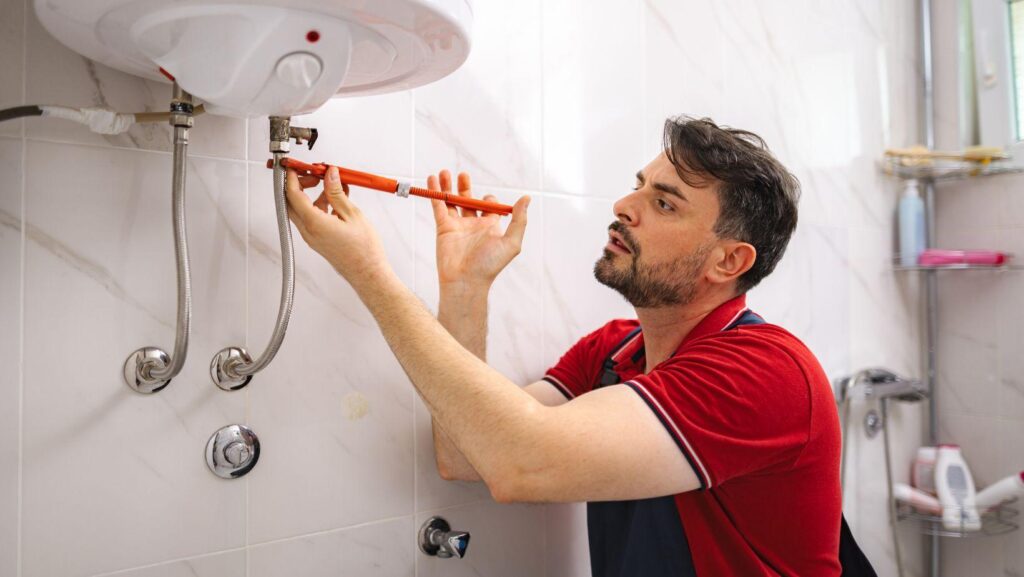
Regular plumbing services focus on routine maintenance and minor repairs that keep your plumbing system in optimal condition. These services include tasks like fixing dripping faucets, unclogging drains, and conducting annual inspections to ensure everything is functioning correctly. Regular maintenance can prevent emergencies by identifying and addressing issues early.
For instance, engaging a Residential Energy Audit can help identify inefficiencies in water usage, allowing homeowners to optimize their plumbing systems and reduce utility costs. Regular Plumbers often offer scheduled appointments, making them ideal for non-urgent repairs and maintenance tasks that contribute to the long-term health of your plumbing system.
Additionally, homeowners can benefit from insights provided by a Household Inventory Management professional, who can help track and schedule regular maintenance services to prevent unexpected breakdowns.
Key Differences Between Emergency and Regular Plumbing
The primary differences between emergency and regular plumbing services lie in their availability, response time, and cost. Emergency Plumbers are available around the clock and can respond quickly to urgent situations, whereas regular Plumbers typically operate during standard business hours. Due to their immediate availability and specialized skills, emergency services often come at a higher cost.
For example, a burst pipe in the middle of the night requires the immediate attention of an emergency Plumber, who can be found using this Plumber resource. However, routine maintenance tasks, such as a Childproofing Assessment, can be scheduled in advance with regular plumbing services.
Furthermore, regular plumbing services contribute to long-term efficiency and cost savings by maintaining optimal system performance and preventing emergencies through proactive care.
Choosing the Right Plumbing Service for Your Situation
Choosing the right plumbing service depends on the urgency and nature of the issue at hand. If you are facing an immediate threat, such as flooding, an emergency Plumber is your best option. However, for routine maintenance and non-urgent repairs, a regular Plumber can offer a more cost-effective solution.
Recent analysis on HGTV suggests that homeowners should assess their plumbing needs regularly to avoid unexpected emergencies. Incorporating tools such as an Indoor Air Quality Monitor can help detect potential leaks that may not be immediately visible but could lead to larger problems over time.
Furthermore, consulting with a Universal Design Consultant can ensure that your plumbing system is accessible and efficient for all family members, reducing the likelihood of emergencies and enhancing overall functionality.
Conclusion
Understanding the differences between emergency and regular plumbing services empowers homeowners to make informed decisions based on their specific needs. By considering the urgency, potential damage, and costs, you can select the appropriate service to safeguard your home and family. By leveraging routine maintenance and emergency services when necessary, homeowners can maintain a safe, efficient, and cost-effective plumbing system.