Maintaining a home’s plumbing system can seem daunting, but it is crucial for ensuring a comfortable and safe living environment. The plumbing system is a fundamental part of every household, affecting water supply, sewage disposal, and even the functionality of home appliances that rely on water. This guide will help homeowners understand essential maintenance tasks, identify common plumbing issues, and recognize when professional assistance is necessary. Whether you’re using smart home technology or traditional methods, knowing how to keep your plumbing in top condition is vital.
Essential Plumbing Maintenance Tasks for Homeowners
Regular plumbing maintenance is key to preventing costly repairs. Homeowners should routinely check for leaks in faucets and pipes, as these can lead to water damage and increased utility bills. Additionally, inspecting drains and ensuring they are clear of debris can prevent clogs that may disrupt your home’s water flow. For those with an Energy Management System (EMS), monitoring water usage can be part of a broader strategy to optimize household efficiency. Homeowners should also familiarize themselves with the main water shut-off valve location, a critical component in any emergency preparedness plan. If you ever need assistance, consider reaching out to a Plumber.
Annual inspections of your water heater are recommended to ensure it operates efficiently and safely. Sediment build-up can reduce efficiency and shorten the lifespan of the appliance. If you have an Indoor Air Quality Monitor, it’s a good idea to check for humidity levels that might indicate a leak or improper ventilation. Homeowners Association (HOA) Compliance may also require certain maintenance standards, so it’s important to stay informed on local guidelines.
Common Plumbing Issues and How to Identify Them
Understanding common plumbing issues can help homeowners address problems before they escalate. Slow draining sinks or showers often indicate a clog that needs attention. Unusual sounds such as gurgling noises from drains or pipes might suggest a blockage or air trapped within the system. Furthermore, fluctuating water pressures can signal a problem somewhere in the plumbing network.
Discolored water is another indicator of potential plumbing issues, often resulting from rust in pipes or sediment in the water heater. Regularly testing water quality with an Indoor Gardening System can help ensure your plumbing is free from contaminants. An Aging-in-Place Assessment might also be beneficial for identifying plumbing modifications needed for older adults living independently.
Tools Every Homeowner Should Have for Plumbing Maintenance
Equipping your home with essential plumbing tools can empower you to handle minor repairs and maintenance tasks. A plunger is indispensable for dealing with clogs, while a pipe wrench can help tighten or loosen connections. Additionally, having a Plumber’s snake on hand allows you to clear stubborn blockages in drains.
For those integrating smart home technology, smart water leak detectors can provide alerts to potential issues before they become severe. These devices are part of the broader concept of Smart Home Interoperability, connecting various systems to enhance home management. Investing in Eco-Friendly Building Materials can also improve your plumbing system’s sustainability and efficiency.
Homeowners should also consider using Home Inventory Software to track and manage plumbing fixtures and appliances. This tool can be part of a comprehensive Property Maintenance Management plan, ensuring all systems are up-to-date and functioning properly.
When to Call a Professional Plumber for Assistance
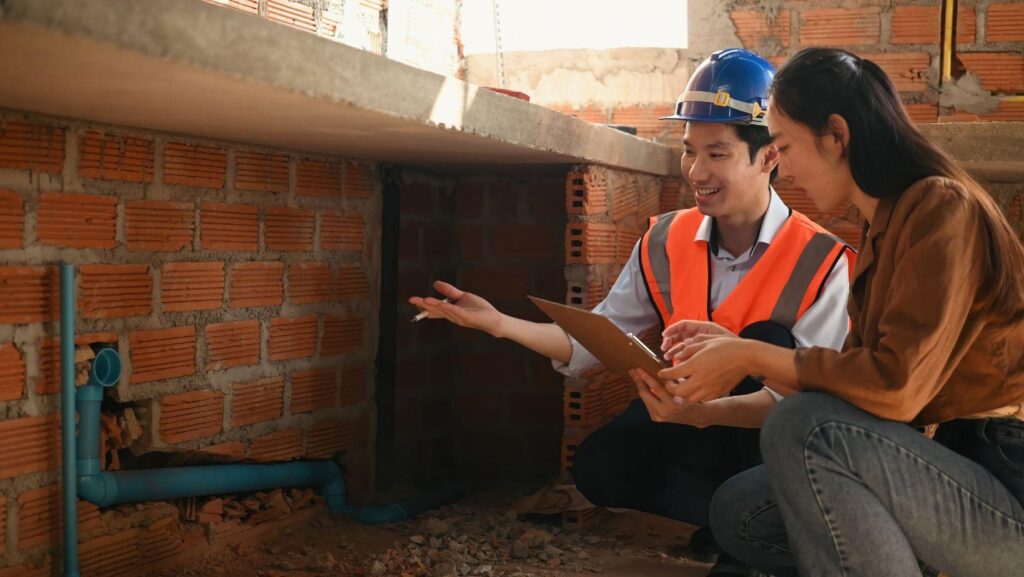
While many plumbing tasks can be handled independently, some situations require professional expertise. If you encounter persistent leaks or suspect a major blockage, it’s time to contact a Plumber. Statistics show professional intervention can prevent further damage and reduce repair costs significantly (Source: McKinsey Global Institute, 2022).
Complex issues, such as sewer line problems or extensive pipe replacement, are best left to professionals with the right skills and equipment. Additionally, homeowners involved in major renovations or dealing with intricate systems related to Home Automation Protocol should consult experts for proper installation and maintenance.
Recent EPA guidelines emphasize the importance of professional assessments in maintaining water efficiency standards. Research from NRDC also suggests that professional Plumbers can help implement water-saving technologies effectively.
Conclusion
Understanding and implementing essential plumbing maintenance is vital for every homeowner. Regular inspections, proper tool acquisition, and recognizing when professional help is necessary can safeguard your home against potential plumbing disasters. These practices not only ensure a functional and efficient system but also contribute to a healthier living environment. For those seeking to maintain their plumbing systems, cultivating a proactive approach can lead to long-term savings and peace of mind.