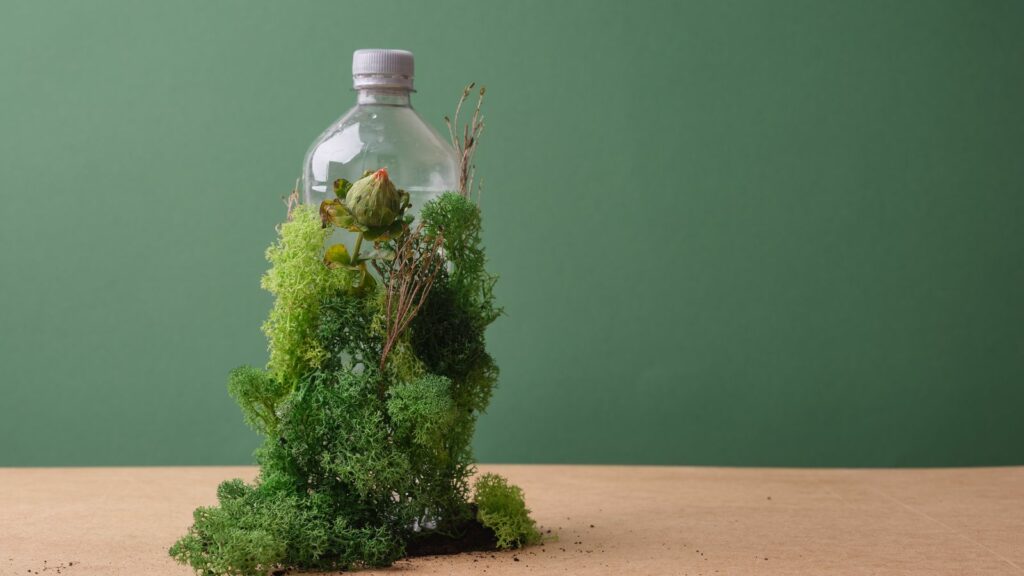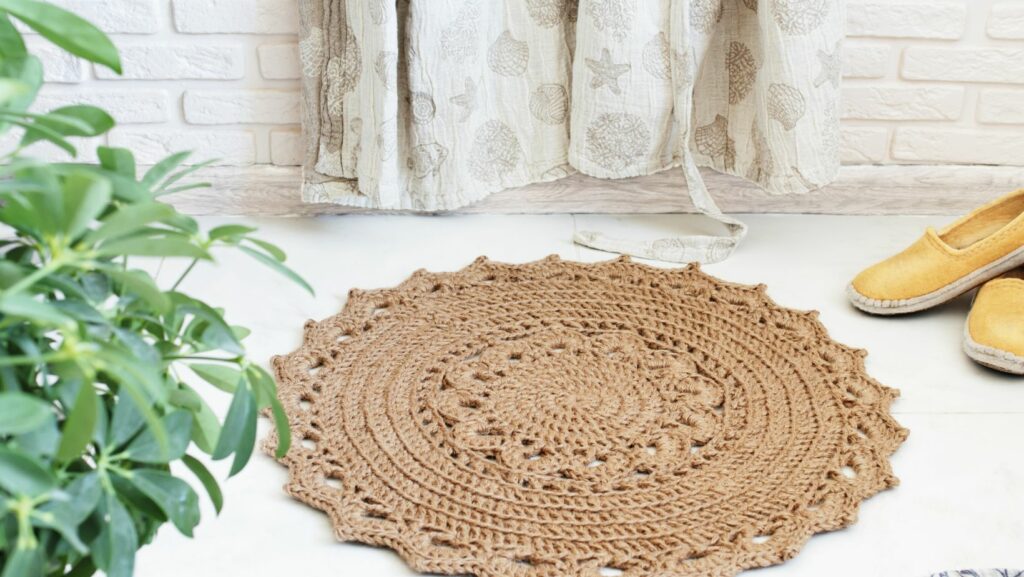
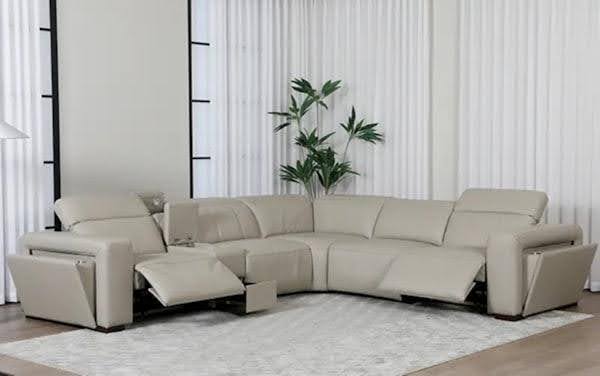
Many people express a desire for a tranquil house, yet in reality, many homes are not at all tranquil. They feel full. Not always in a cozy way, either. Just full. Full of things on the table, things on the floor, things shoved into drawers, things bought for “later,” things that looked useful online and then turned into clutter almost immediately. It begins to feel heavy after some time. This is most likely the reason why more individuals are simultaneously interested in sustainability and simplicity. Even if someone ends up here after reading something unrelated, like tonybet sportsbook, the main idea still makes sense. People are tired of excess. They want things to feel easier.
Minimalism, at least in real life, is not about stripping your home until it looks empty and cold. That version of it scares people off. Most normal people do not want to live in a room with one beige chair and zero personality. What they actually want is less mess, less visual stress, and fewer things to keep track of. That is really it. A home that does not feel like it is constantly asking something from you.
Sustainability gets misunderstood too. Some people hear the word and immediately imagine expensive products in earthy packaging, complicated rules, and the pressure to suddenly become perfect. But most sustainable habits are much more ordinary than that. Using what you already have. Not replacing things just because you are bored. Buying secondhand sometimes. Repairing something small instead of tossing it. Being a little more thoughtful before spending money. It is not glamorous most of the time, but it is real.
It often starts with shopping habits, because that is where so much clutter begins. People buy things quickly now. Too quickly, probably. A basket for the bathroom. A shelf for the wall. A tray for the kitchen. A new mug because it looked cute. A lamp, because the old one suddenly feels boring. None of these things seem serious on its own. That is why they slip in so easily. But when the habit keeps repeating, the house starts filling with stuff that never really mattered that much.
Simple does not have to mean boring. I think that is the part people get wrong most often. A home with fewer things can actually feel warmer, because the things that remain matter more. A good chair in which you sit in every evening. A bowl you always reach for. A solid table that has been there for years. A blanket that is not decorative, just genuinely comfortable. Those things feel more personal than shelves full of random decor that all sort of blends together.
The trend cycle makes this harder, though. Home trends move fast now, almost ridiculously fast. One month, everybody wants everything soft and neutral. Then suddenly it is vintage wood, then bright colors, then curved furniture, then handmade everything, then something else. It is exhausting. If a person keeps chasing every new look, they end up building a home around impulse instead of comfort. A more minimalist and sustainable mindset helps break that pattern. It brings the focus back to what works, not what is currently popular online.

You stop feeling like every empty corner needs to be filled. You stop treating every sale like an opportunity. You stop assuming the answer to a messy space is buying more organizers for the mess. Sometimes the answer is just owning less. Or at least being more honest about what you use and what you do not.
And honestly, a lot of people already have enough. Maybe not perfect enough for social media, maybe not styled in some impressive way, but enough. Enough dishes. Enough pillows. Enough storage containers. Enough decor. Enough little objects. What is missing is often not more stuff but more breathing room.
That is also why this lifestyle tends to begin in very small ways. It is rarely a dramatic before-and-after moment. Usually, it starts with one overfilled shelf. One kitchen drawer that will not close properly. One closet that has become a mess of things nobody touches. Then maybe a person clears it out and feels better. Then they notice the feeling. Then they want more of that feeling.
That is where the real change happens, I think. Not when someone decides to be “minimalist” or “sustainable” as a label, but when they realize their home feels better with less noise in it. Less stuff to manage. Less waste. Fewer unnecessary purchases. More intention, even if it is imperfect.