
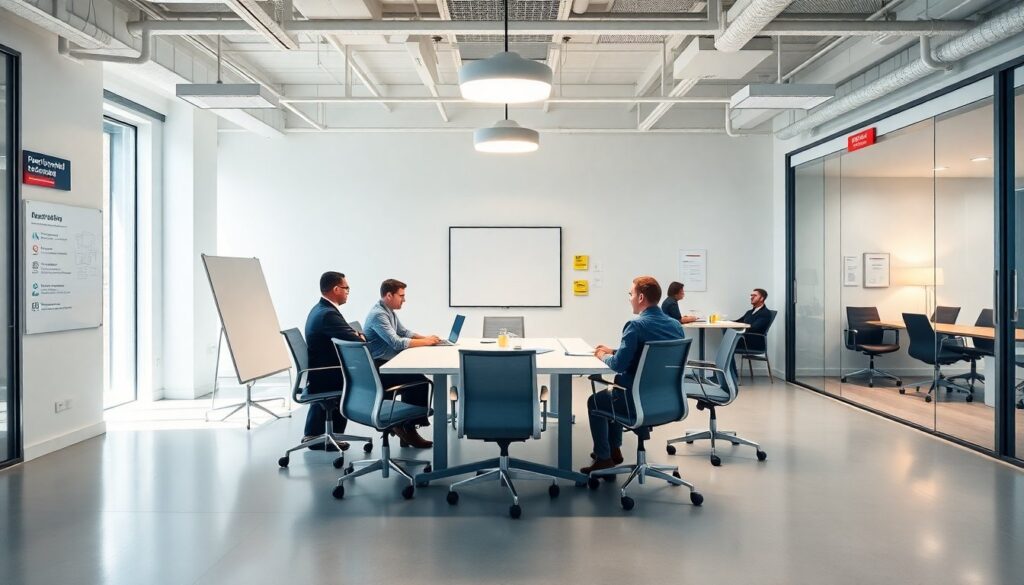
nobullswipe startups understand impactful office about describes a no-nonsense way to plan workspace. The phrase helps teams focus on purpose before perks. It frames choices around use, people, and outcomes. The guide shows clear steps. It keeps language plain and actions practical.
Key Takeaways
- Nobullswipe startups understand impactful office about by prioritizing workspace purpose over perks to enhance team productivity and culture.
- Defining core purpose, people, and use cases first helps startups design office space that supports mission-critical work and minimizes unnecessary features.
- Flexible zones and movable furniture enable startups to adapt quickly to changing team needs, saving time and expenses.
- Good lighting, acoustics, and reliable tech are essential comfort features that boost productivity without unnecessary complexity.
- Clear signage and onboarding rituals turn office culture into visible, repeatable actions that ease navigation and communication.
- Budgeting tied to measurable outcomes with phased implementation ensures startups make practical investments and adjust based on real impact data.
Why The Office Still Matters For Startups — Beyond Perks And Optics
Startups use the office for work, collaboration, and culture. They test ideas faster when teams meet in person. The office anchors routines and habits that shape behavior. Investors visit and judge by how teams operate in space. Remote tools help work, but space signals priorities and standards. Teams that apply nobullswipe startups understand impactful office about choose space that supports work, not shows off. They treat furniture and layout as instruments to speed decisions and reduce friction.
Define Your Core Purpose, People, And Use Cases First
A startup names its core purpose and lists key tasks. It maps who needs quiet focus, heads-up collaboration, or client meetings. It scores each use case by frequency and impact. The team then matches space to highest scores first. This step reflects nobullswipe startups understand impactful office about because it forces trade-offs and removes vanity features. Leaders set simple rules: prioritize mission work, protect heads-down time, and enable fast handoffs. This clarity keeps fit-for-purpose decisions simple to execute.
Practical Design Principles For Small Startups
Design choices must support the defined use cases. The layout must reduce wasted motion and limit task switching. The team picks durable, moveable furniture to support changing needs. The design keeps visual cues clear so people know where to work for each task. The approach echoes nobullswipe startups understand impactful office about by focusing on what staff actually use. The plan sets modest aesthetic goals that cost little but hold up well under daily wear.
Flexible Zones And Furniture For Changing Teams
A startup creates modular zones for heads-down work, quick huddles, and focused meetings. It selects desks on wheels, stackable chairs, and rolling whiteboards. The team sets clear zone rules so people can claim space quickly. It avoids fixed builds that block future shifts. This strategy follows nobullswipe startups understand impactful office about because it accepts change and makes moves cheap. Teams save time and money when they can reassign zones in a single afternoon.
Light, Acoustics, And Tech: Sensible Comfort Over Hype
Good light reduces errors and improves mood. The team maximizes daylight and adds warm task lamps for dim corners. It treats acoustics as a productivity feature and uses absorptive panels where noise rises. Tech choices focus on reliability: fast Wi‑Fi, simple room booking, and standard AV in one or two rooms. The team avoids flashy gadgets that break or distract. This focus embodies nobullswipe startups understand impactful office about by favoring steady returns over novelty.
Culture Signals, Wayfinding, And Onboarding Touchpoints
Small signs and consistent naming reduce confusion and speed onboarding. The team uses clear signage, color bands, and simple rituals to communicate norms. They place a single welcome board that explains how to book rooms and where to leave deliveries. They share a short orientation checklist for new hires that covers zones and etiquette. These small moves express values without noise. They fit the nobullswipe startups understand impactful office about mindset by turning culture into visible, repeatable actions.
Budgeting, Phased Implementation, And Measuring Real Impact
A startup sets a budget tied to outcomes, not trends. It phases work in three steps: essentials, low-cost improvements, and optional upgrades. The team tracks metrics such as meeting length, task completion rates, and seat utilization. It runs short experiments and measures results before wider rollouts. They collect simple feedback monthly and adjust plans based on usage data. This method matches nobullswipe startups understand impactful office about by turning spending into measurable bets with clear stop points.