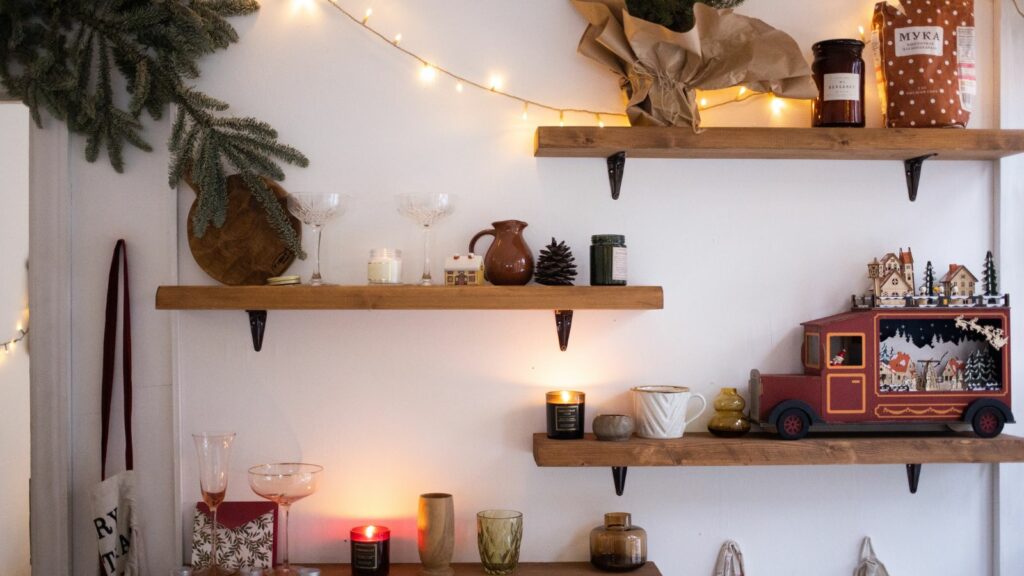
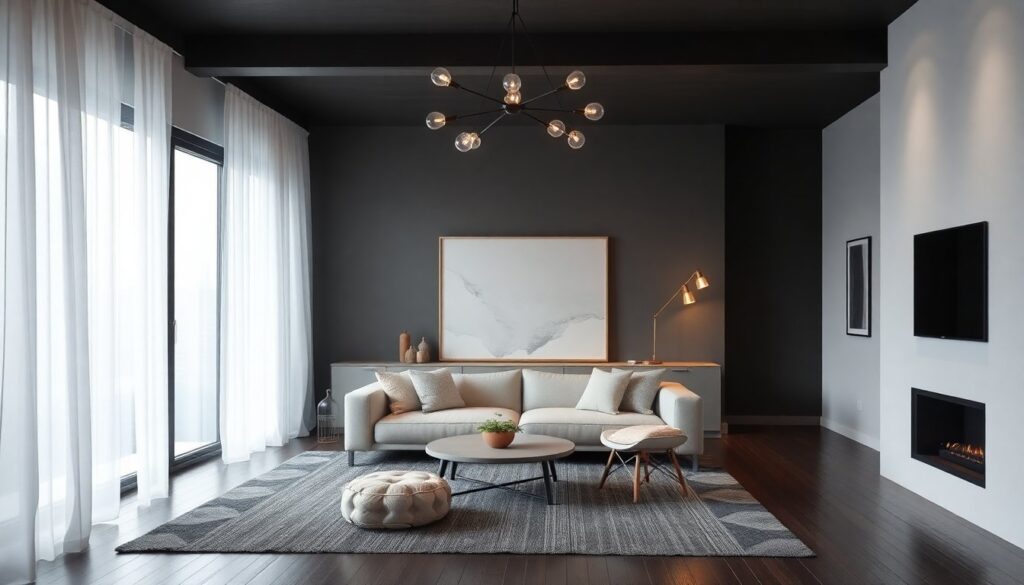
Minimalist home decor by solinek jelmor sets a clear standard for pared-back design. The approach strips excess and keeps only useful, beautiful items. It uses light, texture, and proportion to create calm. Readers will learn core principles, color choices, furniture guidance, and accessory rules. The guide shows how to make rooms feel open and intentional with few, well-made pieces.
Key Takeaways
- Minimalist home decor by Solinek Jelmor emphasizes clarity and purpose by eliminating clutter and choosing quality items that offer both function and aesthetics.
- Using a neutral color palette with layered textures like matte plaster, raw wood, and soft linen creates calm, cohesive spaces without visual noise.
- Furniture selection prioritizes clean lines, proper scale, and functional design to support movement and balance within a room.
- Multi-functional furniture and careful layout planning optimize space while maintaining an open and airy feel in minimalist homes.
- Accessories and art are curated sparingly with natural materials and restrained color to serve as meaningful focal points without overwhelming the space.
- A practical room-by-room checklist helps apply Solinek Jelmor’s minimalist style, focusing on purposeful pieces and maintaining clean, organized surfaces.
Core Principles Of Solinek Jelmor’s Minimalist Aesthetic
Solinek Jelmor favors clarity and purpose. He removes clutter and keeps forms simple. He selects materials that age well and show honest craft. He balances empty space with a few strong focal points. He uses symmetry and proportion to calm sightlines. He limits color and repeats texture to unify a room. He chooses quality over quantity and prefers natural light where possible. He places storage out of sight to keep surfaces clean. He tests each item by asking if it serves a function or gives clear visual pleasure. This rule guides all design choices.
Choosing A Neutral Palette And Layered Textures
Solinek Jelmor uses a neutral palette to keep rooms quiet. He pairs warm creams, soft grays, and muted tans. He adds one dark accent for contrast when needed. He layers texture to add depth without color noise. He mixes matte plaster, raw wood, and soft linen. He uses low-sheen paint and natural fiber rugs to absorb light. He repeats texture across cushions, throws, and window coverings to create cohesion. He avoids loud patterns and bright hues that break calm. He balances cool and warm neutrals to fit light conditions and room function.
Furniture And Layout: Form Meets Function
Solinek Jelmor arranges furniture to support movement and sightlines. He selects pieces with clean lines and steady proportions. He places seating to allow conversation and sight to windows. He leaves walking zones wide and keeps pathways direct. He favors low-profile sofas and slender tables to preserve volume. He chooses storage that blends with walls to reduce visual clutter. He sets furniture on anchors like rugs to define zones. He avoids fussy ornamentation and picks pieces that perform well daily. He measures scale carefully and tests layouts before finalizing placement.
Multi-Functional Pieces And Proper Scale
He recommends multi-functional furniture for small spaces. He picks ottomans with storage and tables that expand. He uses modular seating to adapt to needs. He matches scale to room size and ceiling height. He avoids oversized items that dominate sightlines. He chooses legs and frames that show floor area and keep rooms airy. He tests proportions by placing key pieces in the room for a day. He adjusts distances to maintain balance between furniture and open space.
Curating Accessories And Art With Restraint
Solinek Jelmor limits accessories to a few meaningful objects. He treats art as a focal statement instead of a busy collage. He selects frames with narrow profiles and mats that give breathing room. He groups objects in odd numbers and varies height to create rhythm. He uses plants sparingly for a living accent and picks simple pots. He avoids matching sets that read like decoration. He keeps flat surfaces mostly clear and displays only items that earn their place. He rotates accessories seasonally to keep rooms fresh with minimal effort.
Accessory Rules: Materials, Color, And Scale
He prefers natural materials for accessories to keep visual honesty. He picks ceramics, wood, and linen over plastic and glossy finishes. He limits accessory color to the room palette and adds contrast with one dark or warm tone. He keeps accessory scale smaller than furniture to maintain hierarchy. He places accessories on low shelves and corner tables to anchor empty spots. He balances mass and negative space so objects read clearly. He avoids tiny, fussy items that clutter sightlines. He treats each accessory as a small architecture detail.
Practical Room-By-Room Checklist To Apply The Style
Living room: choose a low sofa, one strong rug, and one large art piece. Keep side tables minimal and add storage behind doors. Bedroom: select a simple bed frame, two small lamps, and closed storage. Use soft bedding in neutral tones. Kitchen: keep counters clear, show a single wooden cutting board, and use open shelving sparingly. Bathroom: store toiletries in drawers and use a single towel color. Entry: add a slim bench, a hook rail, and a small tray for keys. Office: pick a clean desk, an ergonomic chair, and limit books on display. Follow these checks to keep focus and function.