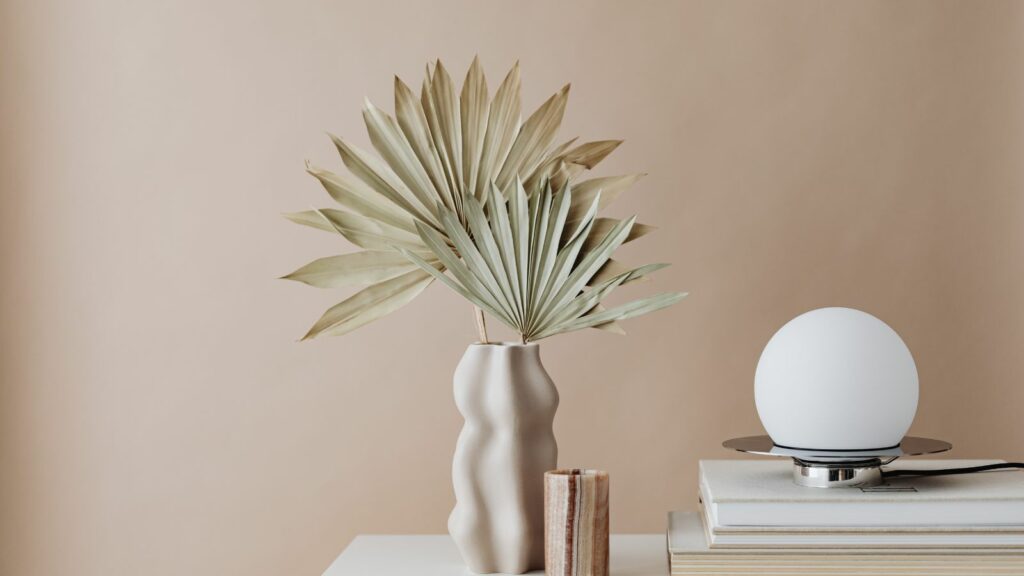

Picture this: You walk into your living room after a long day. There’s nothing to trip over, no clutter on the coffee table, and the only sound is the soft hum of your fridge. The air feels lighter. You can breathe. That’s the magic of a minimal home. It’s not about living with nothing—it’s about living with what matters. If you’ve ever felt overwhelmed by stuff, or if you crave a space that calms your mind, you’re in the right place.
Why a Minimal Home Feels So Good
Let’s be honest. Most of us have too much. Too many shoes, too many mugs, too many “just in case” gadgets. A minimal home isn’t about deprivation. It’s about freedom. When you strip away the excess, you make room for what you love. You also make room for yourself. Studies show that clutter increases stress and even affects sleep. A minimal home, on the other hand, can boost your mood and help you focus. Here’s why: every item has a purpose, and every space feels intentional.
Who Should (and Shouldn’t) Go Minimal
If you love collections, or if you find joy in maximalist patterns and colors, a minimal home might feel too bare. But if you crave calm, or if you’re tired of cleaning up after your own stuff, minimalism could be your answer. It’s perfect for people who want less distraction and more peace. It’s not for everyone, and that’s okay. The goal isn’t to impress anyone—it’s to create a home that works for you.
Getting Started: The First Step to a Minimal Home
Here’s the part nobody tells you: the hardest part is letting go. You’ll second-guess yourself. You’ll wonder if you’ll miss that extra set of plates. But the first step is simple—pick one room. Don’t try to do your whole house at once. Start with your bedroom or your entryway. Take everything out. Yes, everything. Then, only put back what you use or love. The rest? Donate, sell, or recycle.
Quick Wins for Instant Calm
- Clear your nightstand—keep only a lamp and a book
- Empty your kitchen counters—store appliances you don’t use daily
- Limit throw pillows to two per sofa
These small changes make a big difference. You’ll notice the calm right away.
Designing for Simplicity: What Actually Works
Minimal home design isn’t about white walls and empty rooms. It’s about making choices that serve your life. Here’s what works:
Choose a Simple Color Palette
Stick to two or three colors. Neutrals like white, beige, or gray work well, but you can add a pop of color with a pillow or a piece of art. The key is consistency. When your colors flow, your space feels bigger and more peaceful.
Pick Furniture That Does More
Look for pieces that serve more than one purpose. A bench with storage. A coffee table with shelves. In a minimal home, every item earns its place. If you’re buying new, measure your space first. Oversized furniture can make even a big room feel cramped.
Let in the Light
Natural light makes a minimal home feel warm, not cold. Skip heavy curtains. Use sheer panels or leave windows bare if you can. Add custom cut mirrors to bounce light around. You’ll be surprised how much brighter and happier your space feels.
Common Mistakes (and How to Avoid Them)
Here’s a confession: I once got rid of all my books in a fit of minimalism. I regretted it for months. The lesson? Don’t toss what you love. Minimalism isn’t about getting rid of everything. It’s about keeping what matters. Here are a few mistakes to watch out for:
- Getting rid of sentimental items too quickly
- Buying new “minimal” decor just to fill empty space
- Forgetting to involve your family or roommates
If you’re not sure about something, put it in a box for a month. If you don’t miss it, let it go. If you do, keep it. No guilt.
Minimal Home, Maximum Functionality
Functionality is the secret sauce. A minimal home isn’t just pretty—it works for you. Here’s how to make your space work harder:
- Store things where you use them. Keep keys by the door, not in a random drawer.
- Use vertical space. Shelves, hooks, and wall-mounted storage keep floors clear.
- Choose closed storage for things you don’t want to see every day.
- Label bins and baskets so you always know where things go.
When everything has a home, you spend less time searching and more time living.
Living with Less: The Emotional Side
Let’s get real. Letting go can feel scary. You might worry you’ll need something later. Or that your home will feel empty. But here’s what happens: you start to notice what you really value. You spend less time cleaning and more time doing what you love. You feel lighter. You might even sleep better. If you’ve ever felt weighed down by your stuff, a minimal home can feel like a fresh start.
Maintaining Your Minimal Home
Here’s the truth: minimalism isn’t a one-time project. It’s a habit. Set a reminder to do a quick sweep every month. Ask yourself: Do I use this? Do I love it? If not, let it go. Don’t let guilt or “what if” thinking hold you back. Your home should serve you, not the other way around.
Next Steps: Your Minimal Home Journey
If you’re ready to try a minimal home, start small. Pick one drawer, one shelf, or one corner. Notice how it feels. Celebrate your progress. Remember, minimalism isn’t about perfection. It’s about making space for what matters most. And if you ever miss your old clutter, you can always visit a friend’s house. (Just kidding. Sort of.)
Ready to create your own minimal home? Start today. Your future self will thank you.